
Honestly, it's mostly current pipeline the AF uses.So when are the first studs set to fly the Intermediate and Advanced syllabus in the T-6 and then go right to the FRS?

Honestly, it's mostly current pipeline the AF uses.So when are the first studs set to fly the Intermediate and Advanced syllabus in the T-6 and then go right to the FRS?

Honestly, it's mostly current pipeline the AF uses.

From what I hear, their fleet squadrons aren't very happy about it either...
The trainer community in general is in shambles. Too many decades of neglect.
I've said this a few times here. My brother is an E-3/Kc-135/AF 707/ now B-1 type IQT IP, (and an evaluator, and a depot FCF guy, and a numbered Air Force Stan/Eval checker... You get the idea- he doesn't suck).
He says the most nervous, and then the most scared, that he would never meet his in utero son, has been teaching a recent UPT grad how to fly form and take gas on the tanker.
The AF has completely punted pilot training- but the generals are happy because the excell spreadsheet boxes are green.
The question is, when mission readiness starts to suffer, will the right causal factors be identified?
My guess is no.
Agreed. The training command is abdicating a lot of that responsibility to the fleet. The USAF is a lot further along in that regression than the USN… for now.Probably not. He reminds me that "at least when your new LT fucks it up you don't die with him." A blessing and a curse. The unmanned community has our own training problems.
Our lives are never on the line, but other lives are. When we conduct a strike our goal is for those who should die will die, and those who should live will live. Sometimes we get that wrong.
Ultimately the fleet should never get someone from the training command who isn't 100% full up and ready to do their job on day one.
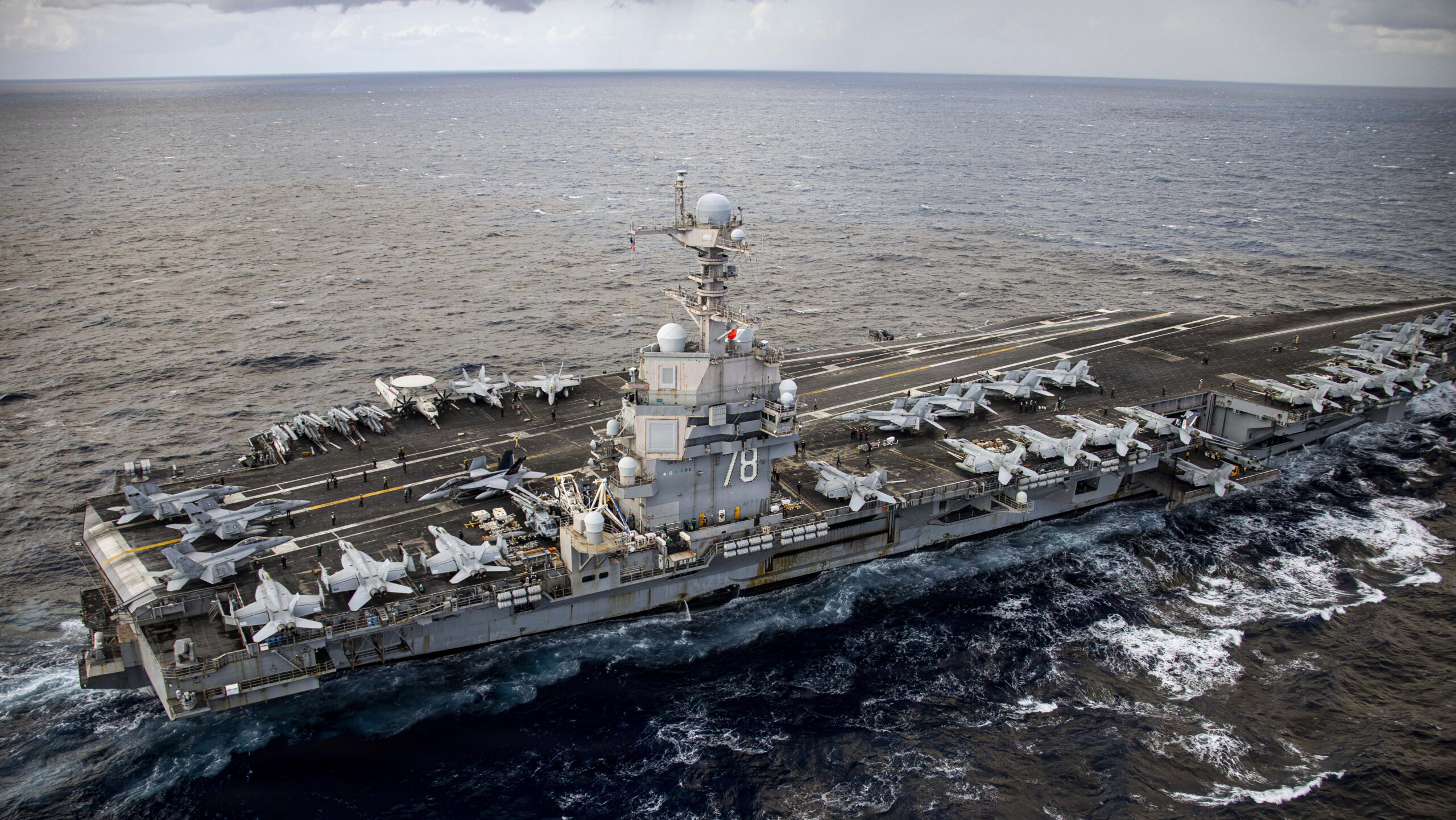

Fleet Replacement Squadrons (FRS) are now underproducing, creating a new logjam just before a winged aviator becomes useful to the fleet. Students arrive late to their first tour, and because career milestones do not move to accommodate that delay, the Navy is not getting a full production tour out of junior officers before pulling them for disassociated sea tours or to fill gaps elsewhere. The junior officers who would otherwise be back at the training command or FRS generating the next cohort are the ones being diverted.
At Hook this year, the PERS brief included that they will continue to shorten production shore tour lengths to ~30-33 months, but also talked about considering increasing new gains' commitment to 10 years after wings to match the USAF and USA. If they did that, they should presumably be able to give people their full tour. I'll believe it when I see it.
For what it's worth, they have functionally made it a 10 year commitment nowadays since they pulled some legalese to ensure that O-3s rotating onto disassociated tours are doing their full tour instead of dropping papers on their first day and leaving 12 months later.

We really need to update our Cryo storage gameFor a lack of a general training thread - here's coverage from a CNATRA interview last week:
Fixing the machine: Inside the Navy's race to rebuild its aviator pipeline - Breaking Defense
An in-depth discussion with the service's chief of Naval Air Training Command.breakingdefense.com
Goal of CNATRA = 105 percent of requirement
Fleet Replacement Squadrons (FRS) are now underproducing, creating a new logjam just before a winged aviator becomes useful to the fleet. Students arrive late to their first tour, and because career milestones do not move to accommodate that delay, the Navy is not getting a full production tour out of junior officers before pulling them for disassociated sea tours or to fill gaps elsewhere. The junior officers who would otherwise be back at the training command or FRS generating the next cohort are the ones being diverted.
Expanding contract instructor pilots — former Navy and Marine Corps jet aviators, many with T-45 experience — into the primary phase. Helo COPT-R syllabus closely monitored and injected with Naval Aviation culture.
Faster triggers to attrition in NIFE and Primary training. Attrition at advanced training will still happen, he told me, but at meaningfully lower rates, because the students reaching that stage will already have cleared a higher bar.


At Hook this year, the PERS brief included that they will continue to shorten production shore tour lengths to ~30-33 months, but also talked about considering increasing new gains' commitment to 10 years after wings to match the USAF and USA. If they did that, they should presumably be able to give people their full tour. I'll believe it when I see it.
For what it's worth, they have functionally made it a 10 year commitment nowadays since they pulled some legalese to ensure that O-3s rotating onto disassociated tours are doing their full tour instead of dropping papers on their first day and leaving 12 months later.